Koop rechtstreeks van de bron

Centrale ligging NL

(H)echt familiebedrijf

Gegarandeerd A-kwaliteit

Altijd met fabrieksgarantie

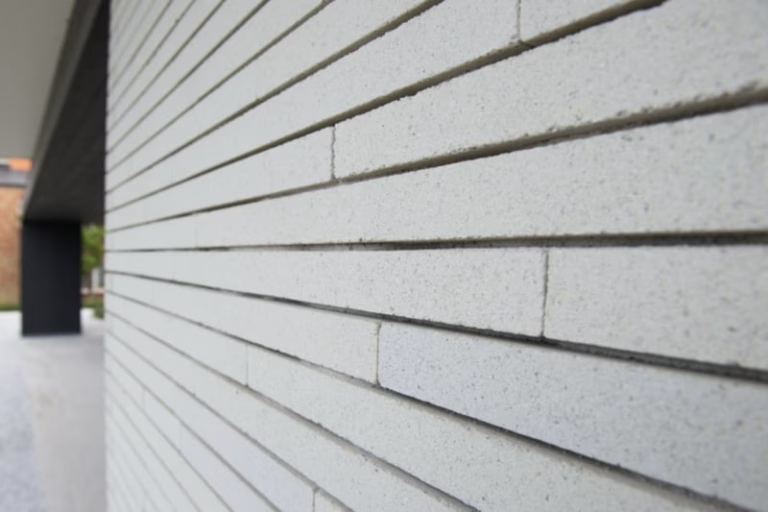
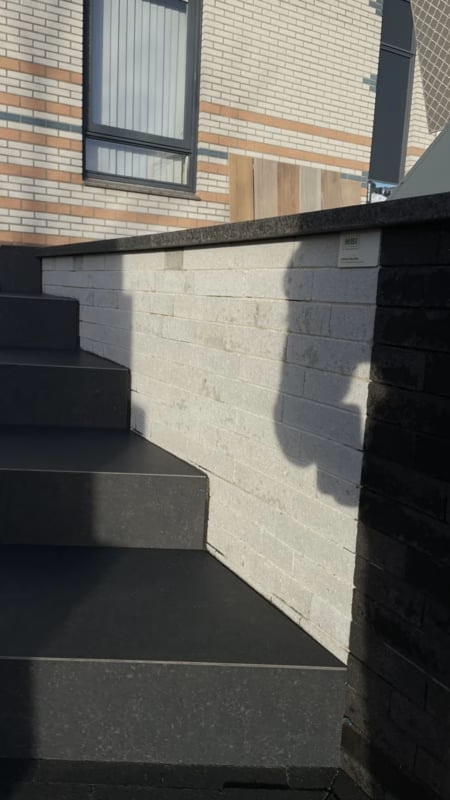
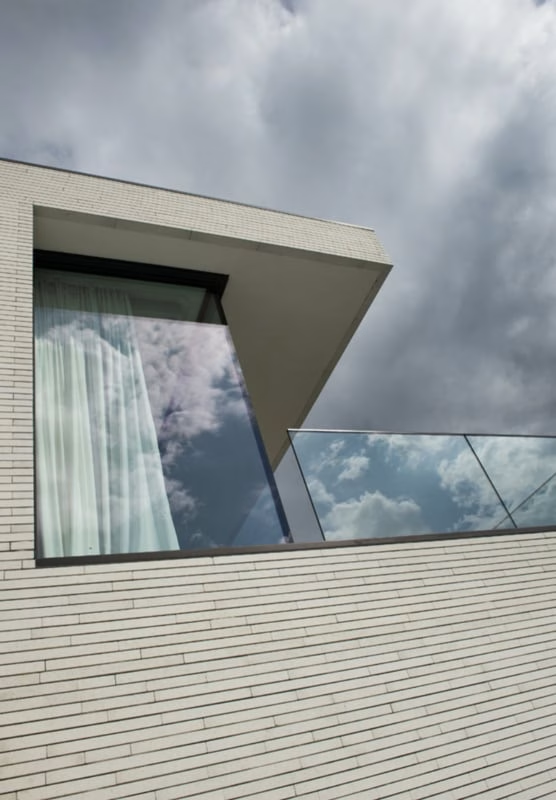
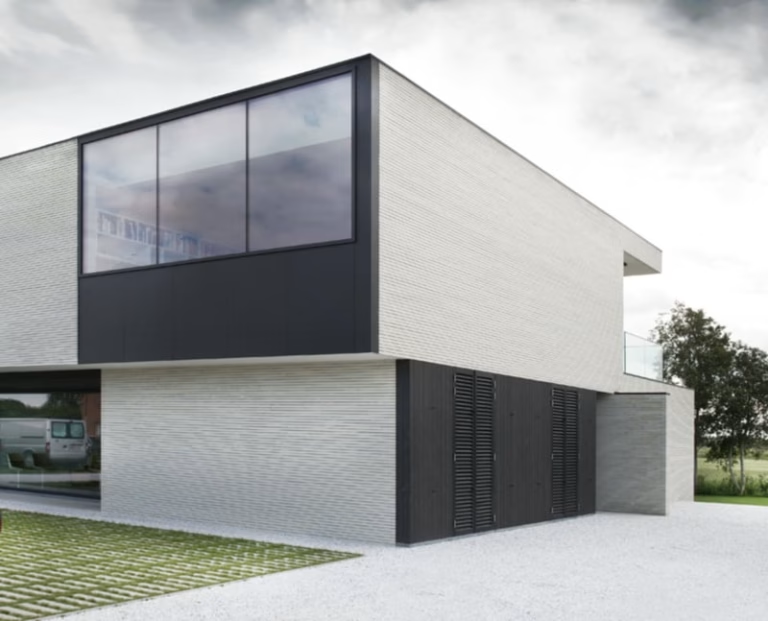
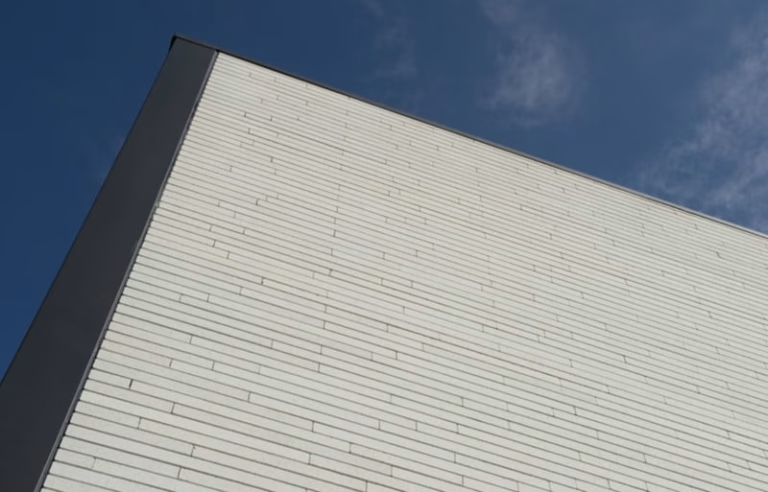
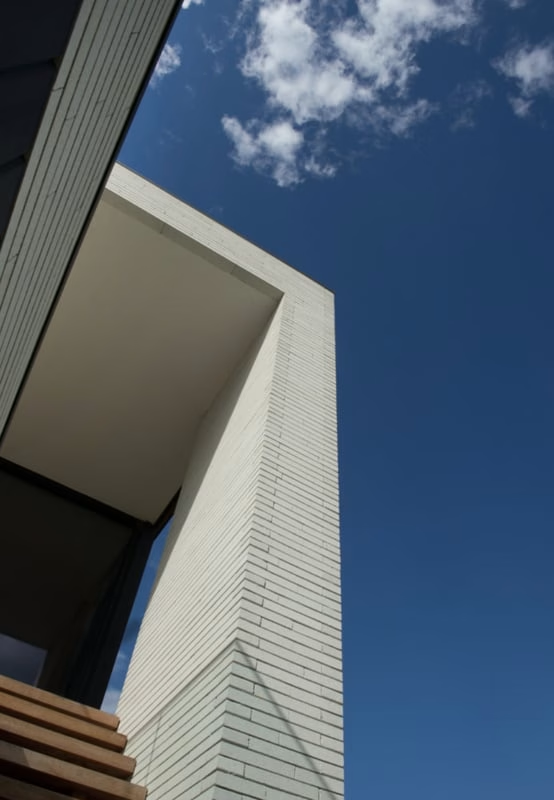
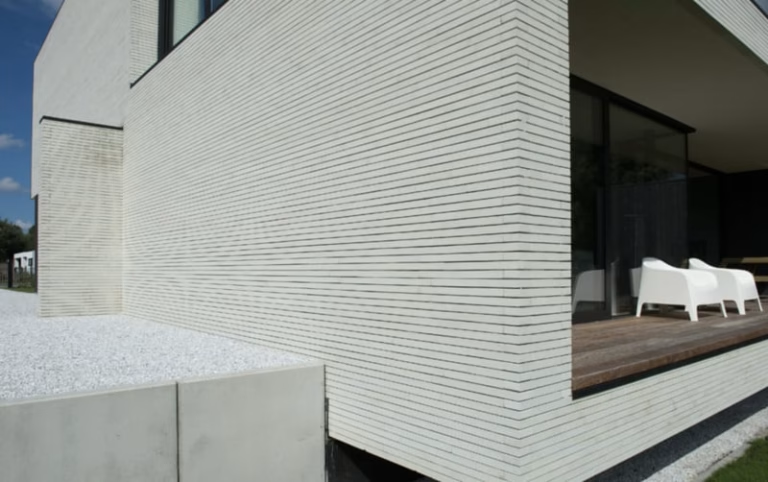
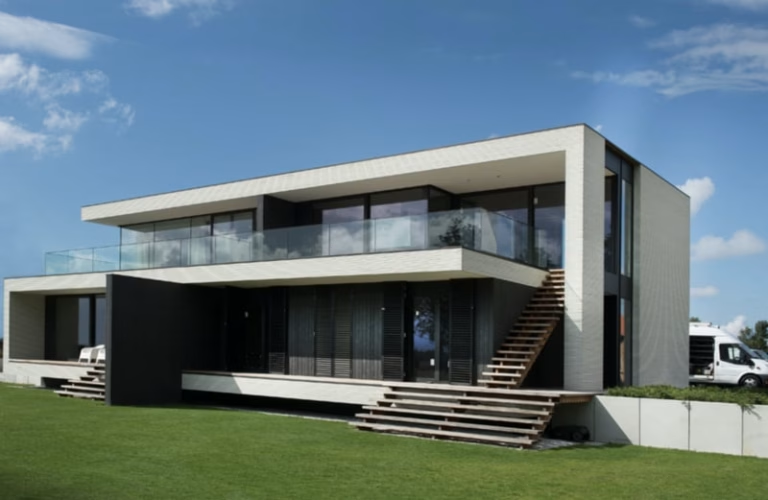
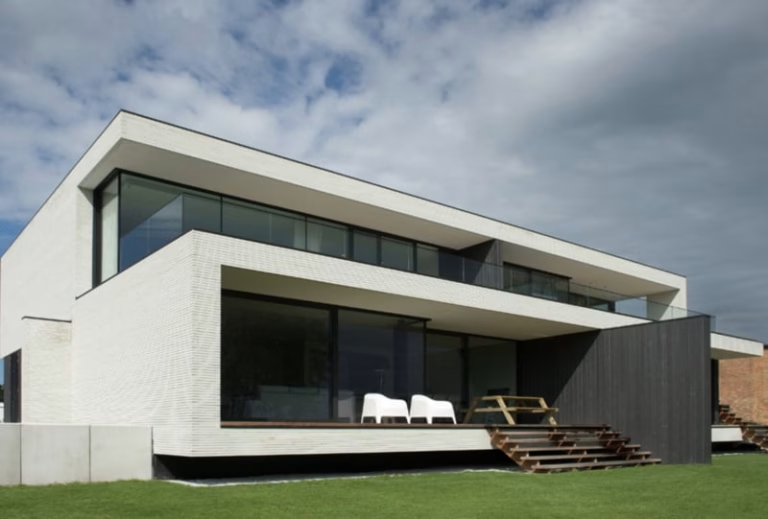
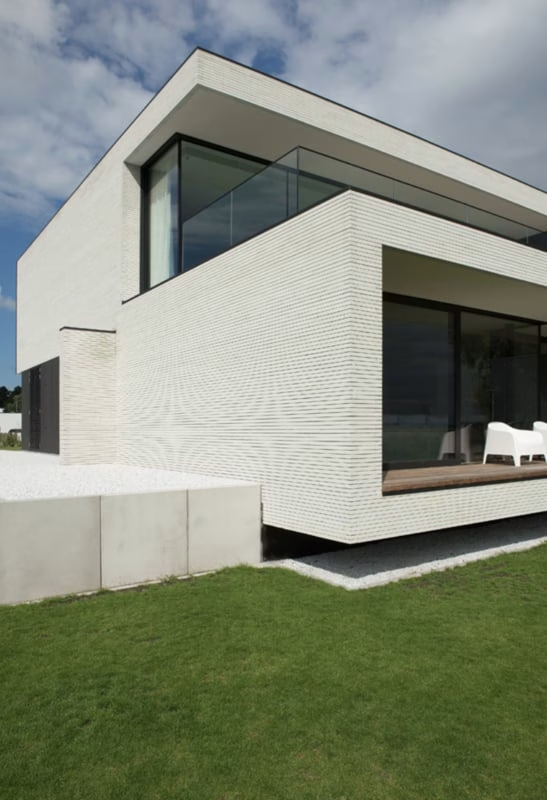
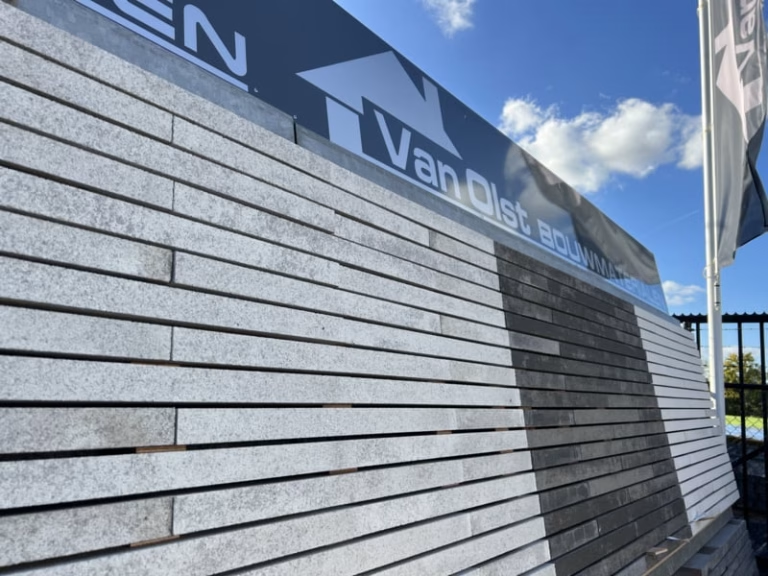
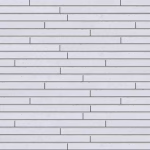
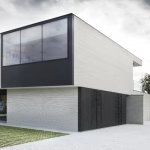
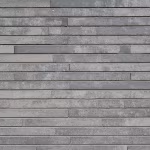
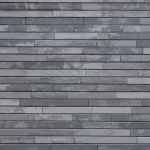
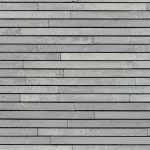
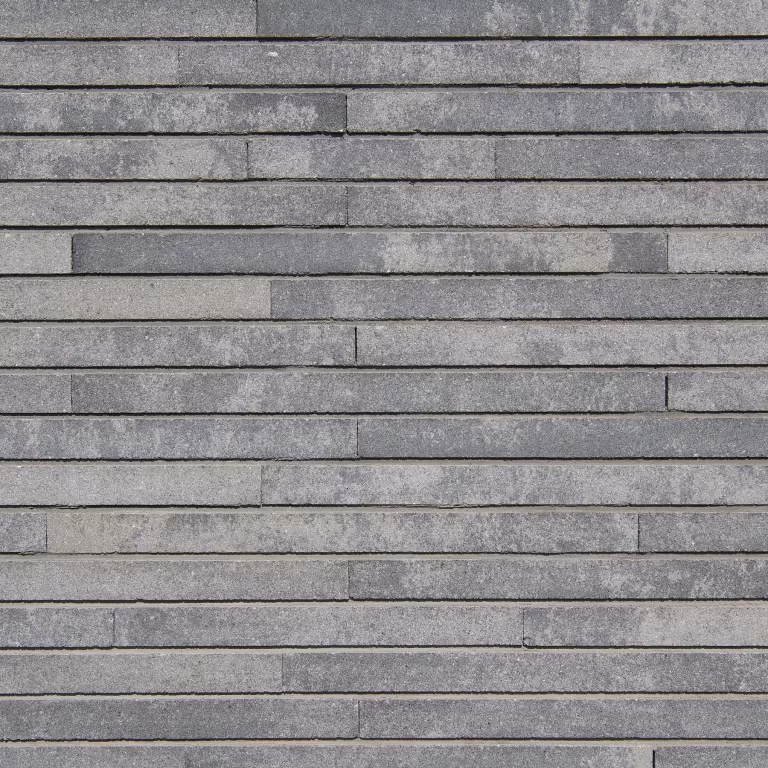
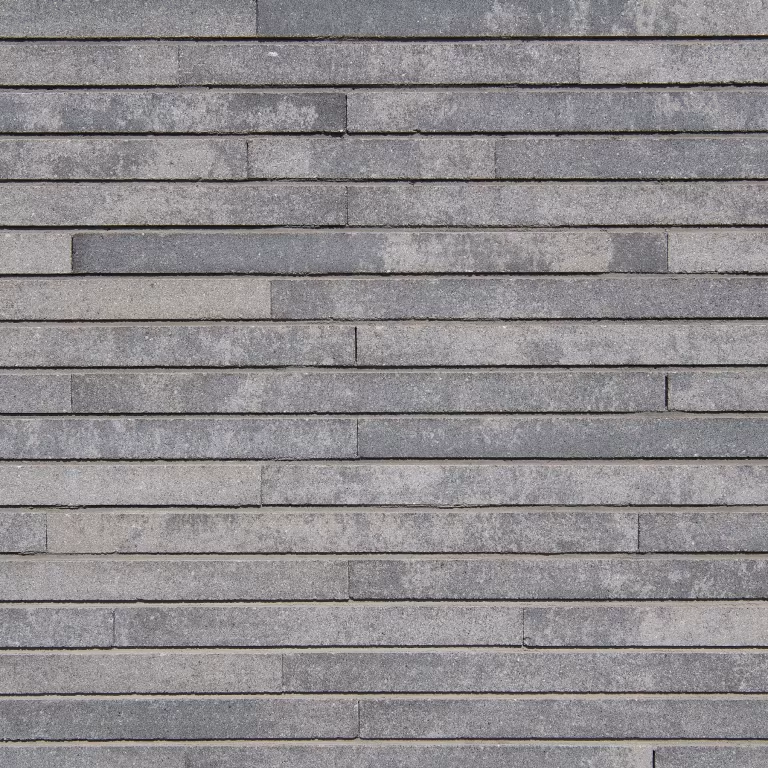
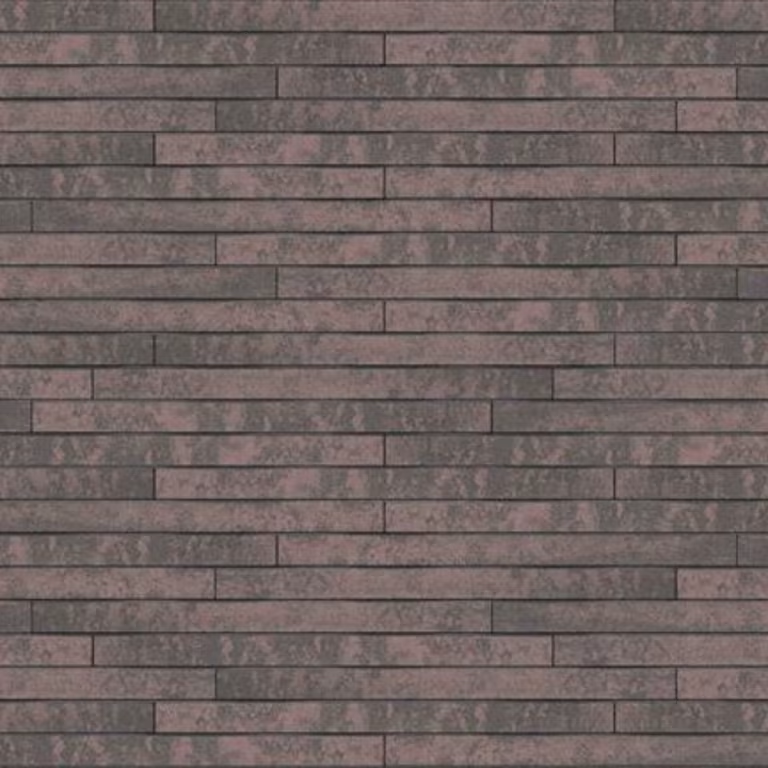
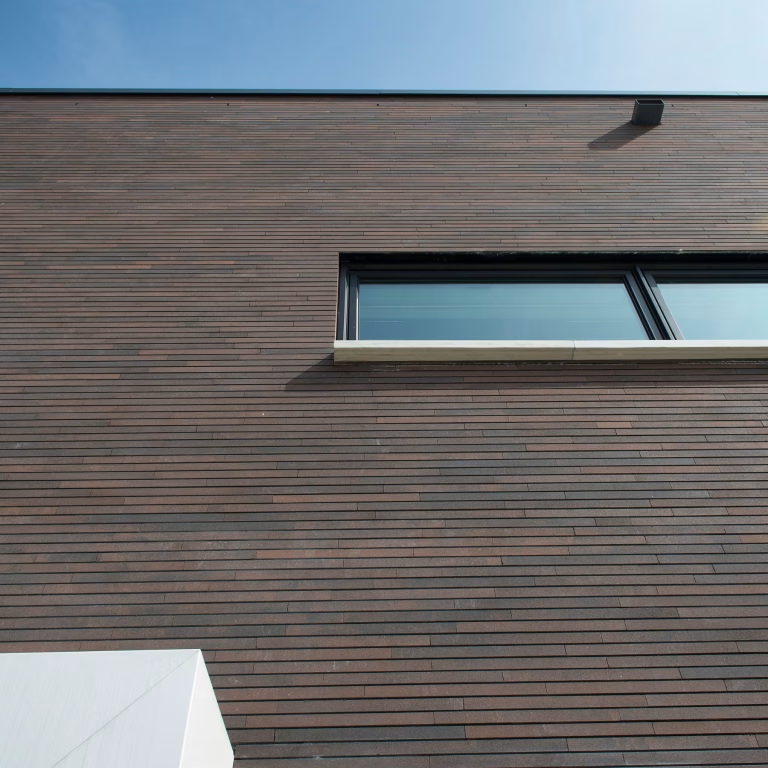
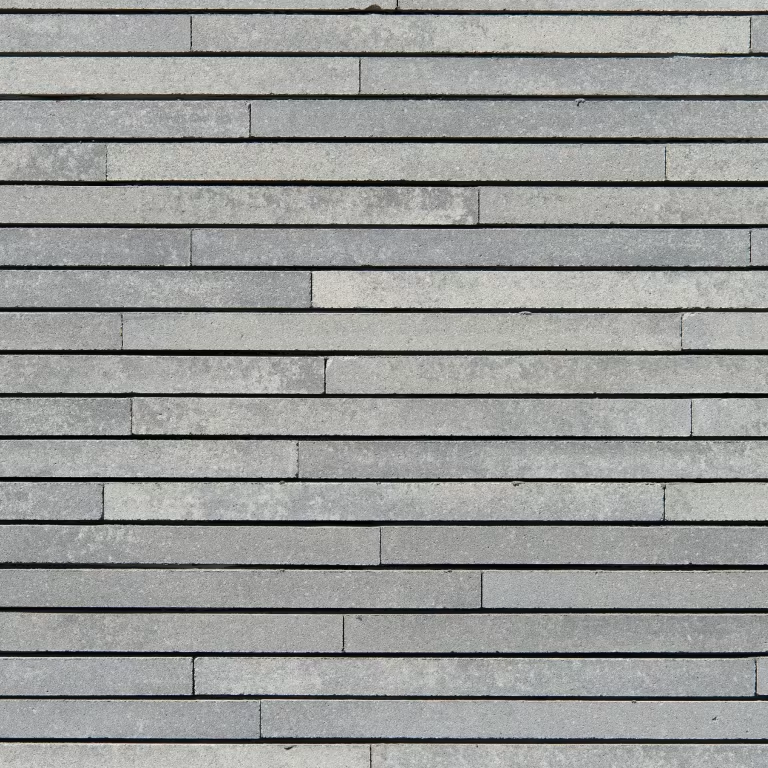
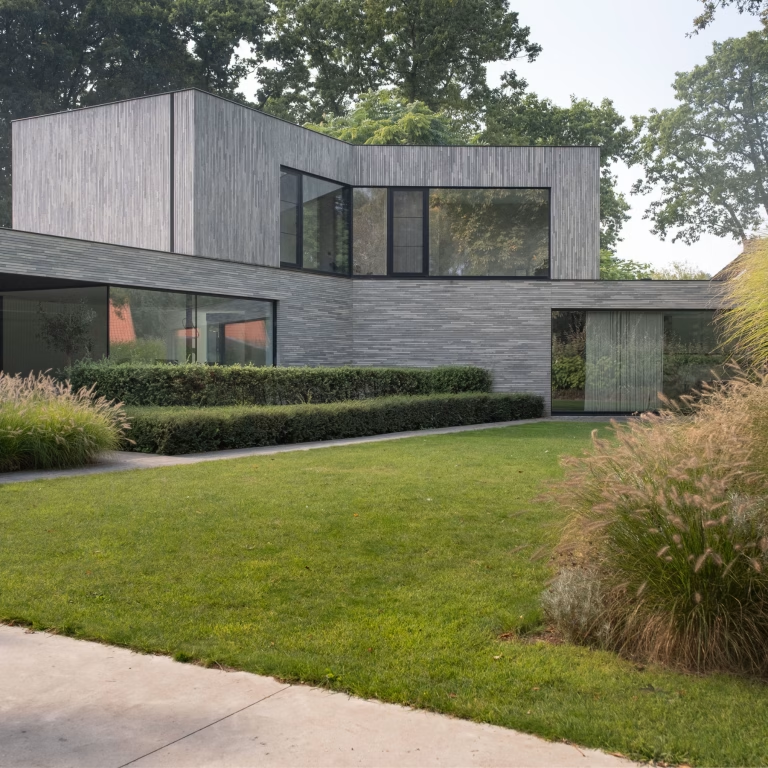
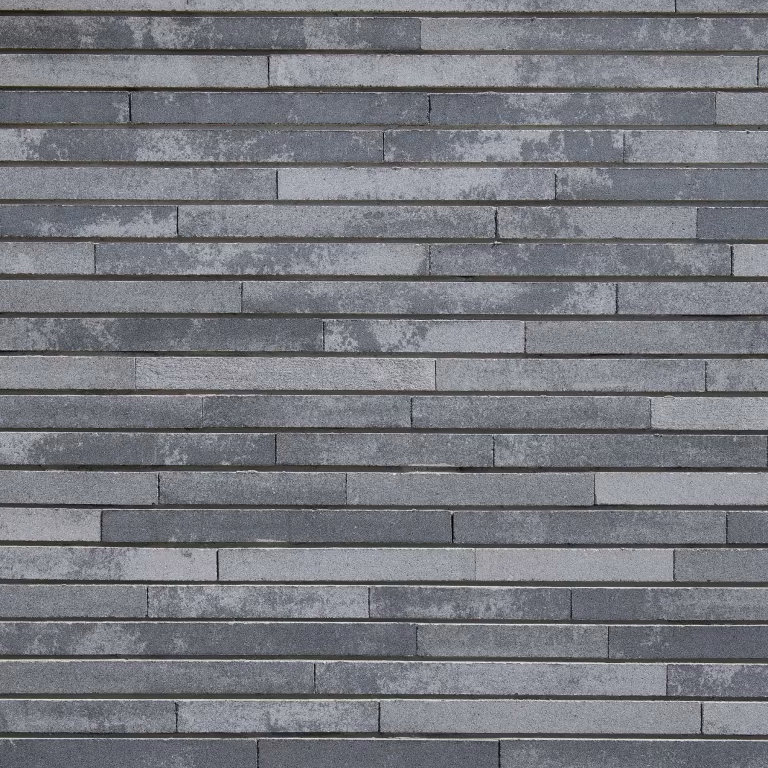
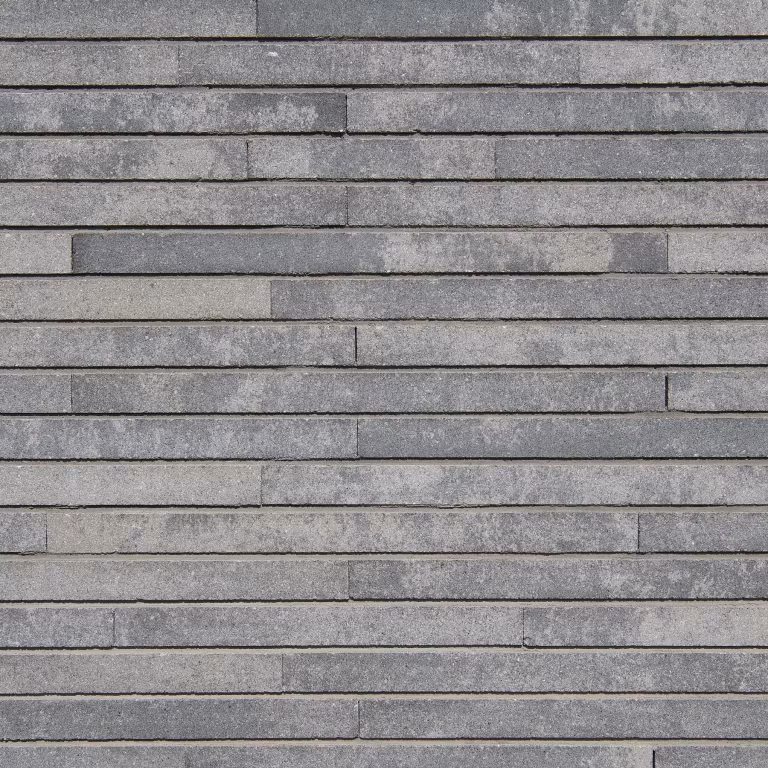
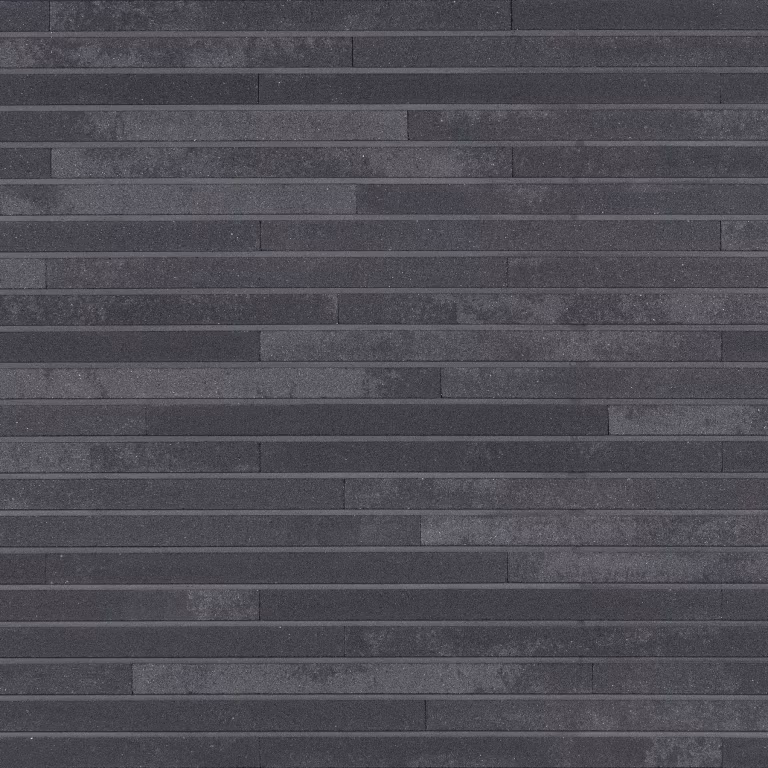
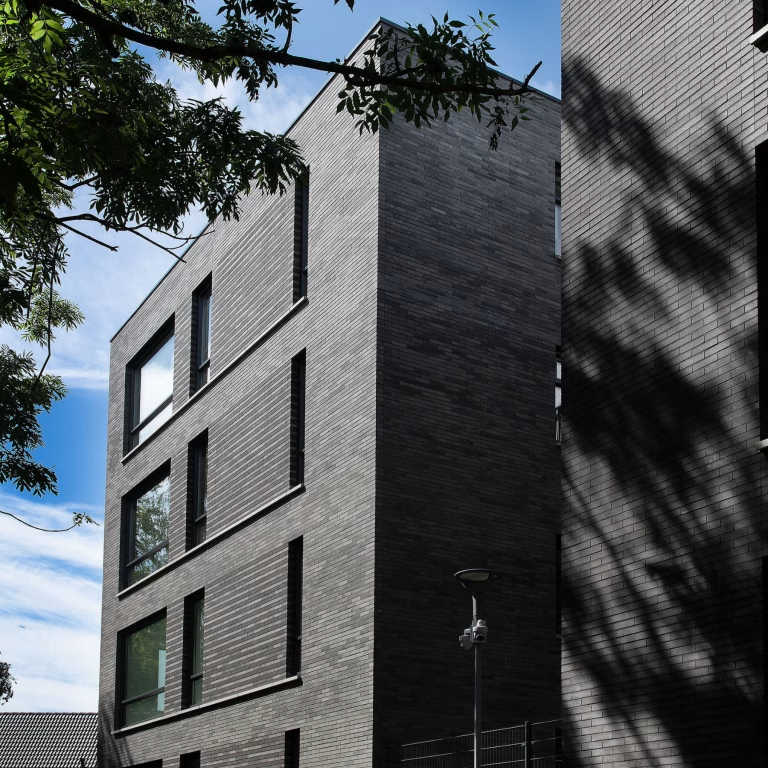
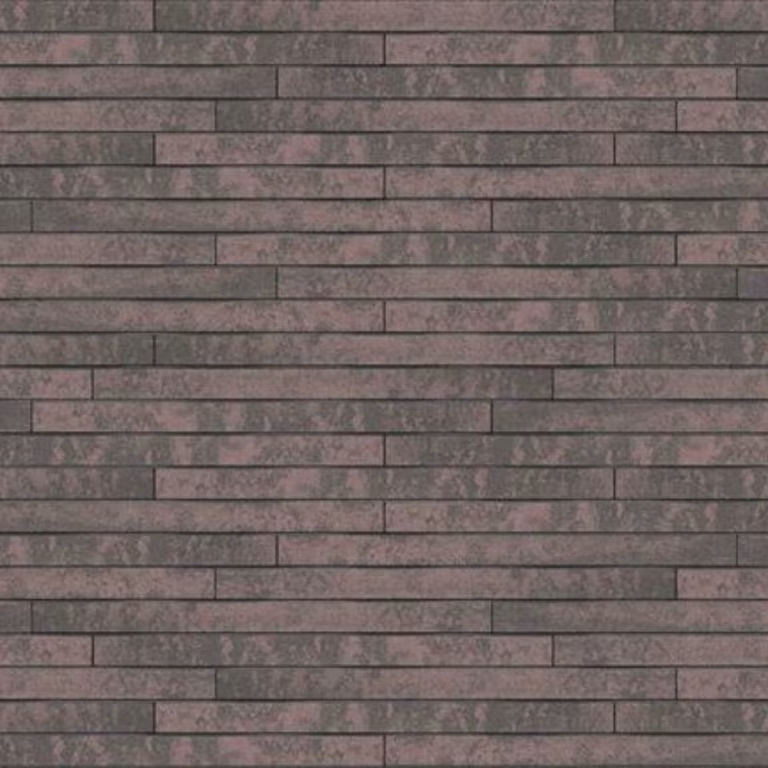
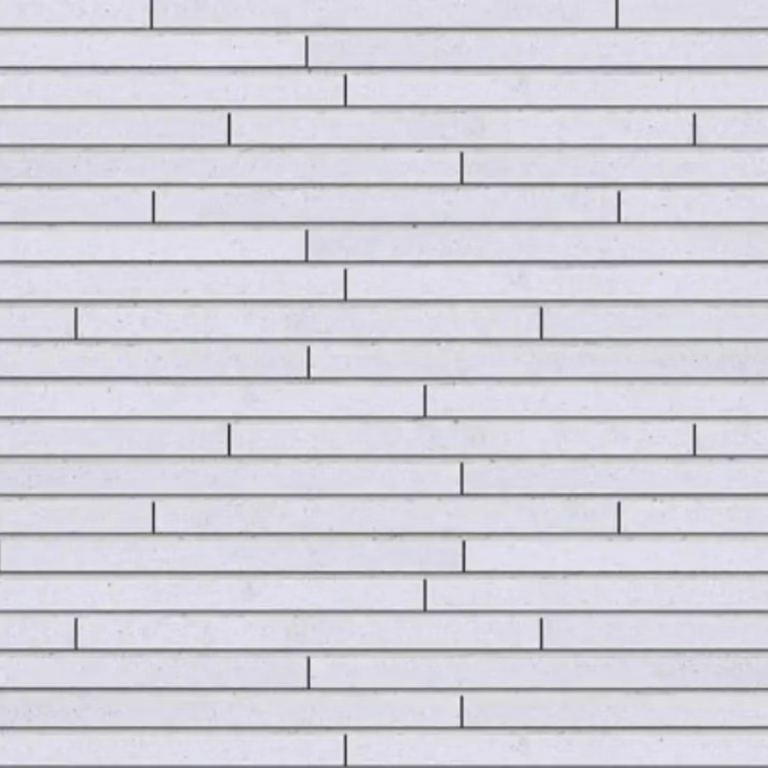
GeoStylistix KSK 29,5x7x5,5 Crispy White

Online op voorraad, direct leverbaar Artikelnummer: EACV520BB.G025V
Create an ultra-photorealistic, continuous cinematic walkthrough of the exact outdoor showroom shown in the supplied reference photographs. The supplied images are NOT separate scenes and they are NOT inspiration images. They are sequential photographs taken along one continuous real-world walking route through the same physical location. Treat every supplied photograph as a precise camera-position reference along that route. Reconstruct one smooth, believable, physically continuous camera trajectory through the real showroom by interpolating naturally between the successive photographic viewpoints. The result must look as if one professional stabilized camera or low-altitude cinematic drone physically travelled through the showroom in a single continuous take. CAMERA PATH AND IMAGE ORDER Follow the supplied reference photographs strictly in their chronological order. Image 1 represents the first physical camera position. Image 2 represents the next position along the route. Image 3 represents the next position after that. Continue this way through all supplied images. The order of the photographs defines the actual route through the showroom. Do not reorder the images. Do not skip to unrelated viewpoints. Do not reverse the route. Do not invent shortcuts through the environment. Do not teleport between positions. The virtual camera must physically travel through the space from one photographed position toward the next photographed position. Smoothly interpolate the missing physical distance between consecutive photographs. Every transition must feel like genuine camera movement through three-dimensional space rather than an AI morph between still photographs. Maintain perfect spatial continuity throughout the entire sequence. CAMERA STYLE Simulate footage filmed using a professional full-frame cinema camera mounted on an extremely smooth three-axis stabilized gimbal, with the floating quality of a very carefully controlled low-altitude drone. The movement should feel luxurious, cinematic, slow, controlled and professionally operated. Camera height should remain approximately 1.50 to 1.80 meters above the ground for most of the sequence. The camera may make extremely subtle vertical adjustments where necessary to smoothly navigate the route, but it must never suddenly rise into the air like a traditional aerial drone. Think: premium architectural walkthrough, high-end real-estate cinematography, luxury commercial showroom film, stabilized FPV-style movement without aggressive FPV characteristics, elegant indoor/outdoor gimbal movement, extremely smooth physical camera travel. The camera must appear to have real mass and inertia. Acceleration and deceleration must be gradual. Movement should never feel weightless, robotic, synthetic or mathematically perfect. Add extremely subtle natural micro-movement typical of a professionally operated stabilized camera. CAMERA MOVEMENT Primarily use a slow continuous forward dolly movement. Where the photographic route turns, allow the camera to perform a very gradual yaw rotation while continuing to move physically forward. Rotations should happen over distance rather than suddenly from a fixed point. The camera should naturally curve around corners rather than pivoting in place. When the route moves past paving displays, walls, planters, sample racks or vegetation, create realistic parallax between foreground, midground and background objects. Nearby objects should move across the frame slightly faster than distant objects. This parallax is important because it should make the viewer feel that the camera is genuinely travelling through the environment. Do not create dramatic crane movements. Do not orbit around objects. Do not perform 360-degree rotations. Do not fly sideways for long periods. Do not use rapid push-ins. Do not use artificial digital zooms. All apparent movement must come from the physical translation and rotation of the virtual camera. CAMERA SPEED Use a relaxed architectural walkthrough speed. Approximate the feeling of a person walking slowly and steadily through the showroom while using a professional stabilizer. The movement should be slightly more fluid than normal walking, almost floating, but still physically believable. Keep the speed consistent wherever possible. Slow down slightly before significant turns. Gently accelerate again after completing a turn. Never suddenly stop. Never suddenly accelerate. Never rush through the environment. The viewer should have enough time to clearly perceive the paving, displays, architecture and layout. LENS AND PERSPECTIVE Use approximately a 28–35 mm full-frame equivalent lens throughout the entire sequence. Maintain the same general field of view across shots. Avoid ultra-wide-angle distortion. Avoid fisheye distortion. Avoid telephoto compression. Vertical architectural lines should remain natural and believable. Keep perspective consistent with the original photographs. Maintain a level horizon wherever physically possible. Do not introduce exaggerated lens breathing. Do not change focal length while moving. Do not simulate camera movement using zoom. LOCATION PRESERVATION — CRITICAL Treat the supplied photographs as absolute visual ground truth. Preserve the real showroom exactly as photographed. Do not redesign the location. Do not beautify the architecture. Do not simplify the scene. Do not modernize anything. Do not clean up the environment by removing real objects. Do not add decorative objects. Do not rearrange anything. Preserve the exact: architecture, building geometry, facade proportions, entrance positions, windows, doors, roof structures, paving layout, individual paving areas, paving dimensions, joint patterns, borders, color differences, stone textures, ceramic tile textures, brick patterns, display walls, display racks, paving sample boards, sample stands, planters, trees, shrubs, flowers, fences, steel structures, wooden structures, garden walls, bollards, large stones, signage, logos, visible text, lighting fixtures, product displays, showroom objects, vehicles visible through reflections, and every other permanent or visible element. Objects that appear in multiple photographs must remain the same object with the same size, shape, material and physical position throughout the video. Never duplicate an object simply because it is visible from another angle. PAVING ACCURACY — EXTREMELY IMPORTANT The paving is one of the most important visual elements in this sequence. Preserve the exact paving shown in every photographed section. Keep: the exact paving pattern, tile dimensions, individual slab proportions, herringbone patterns, rectangular stone layouts, natural stone layouts, border stones, dark dividing strips, light and dark sections, joint widths, tile orientation, surface texture, weathering, color variation, and transitions between different paving products. Never transform one paving product into another while the camera moves. Never change tile dimensions. Never create new joints. Never remove existing joints. Never cause paving lines to swim, warp, slide, rotate or change orientation. The paving grid must remain physically attached to the ground plane. Every stone should retain a stable location in three-dimensional space. GEOMETRIC CONSISTENCY Maintain a persistent three-dimensional representation of the showroom throughout the video. Once an object or architectural feature has been established, preserve its exact location and proportions in subsequent frames. Walls must remain straight. Roofs must remain rigid. Display stands must not bend. Tiles must not stretch. Plants must not relocate. Openings must not change width. Pathways must not become wider or narrower unless caused naturally by camera perspective. No object should morph into another object. No geometry should melt or breathe. TRANSITIONS BETWEEN REFERENCE IMAGES Do not dissolve from one photograph to the next. Do not create crossfades. Do not morph the entire image. Instead, estimate the real three-dimensional spatial relationship between consecutive reference photographs and generate the physically plausible intermediate camera positions. The transition from one reference viewpoint to the next should resemble missing frames from a real camera recording. Imagine that the photographs were extracted from one continuous stabilized video with several seconds missing between every photograph. Your task is to reconstruct those missing moving-camera frames. LIGHTING Preserve the natural lighting conditions visible in the photographs. Maintain consistent time of day throughout the sequence. Preserve the direction of sunlight. Preserve natural shadows. Preserve the warm sunlight where visible. Preserve shaded areas underneath roofs and canopies. Do not dramatically relight the scene. Do not create golden-hour lighting if it is not present in the references. Do not introduce artificial cinematic beams, fog or atmospheric haze. Exposure should transition naturally when the camera moves between brighter and darker sections. Use realistic professional-camera auto-exposure behaviour with only very gradual exposure adaptation. COLOR Preserve the actual colors from the source photographs. Neutral, premium commercial color grading only. Keep paving colors accurate. Keep facade colors accurate. Keep plants naturally green. Keep wood tones realistic. Keep dark metal and anthracite elements neutral. Do not oversaturate. Do not apply teal-and-orange grading. Do not dramatically increase contrast. The result should resemble professionally captured real-world footage rather than an advertisement created entirely with CGI. TEXT, LOGOS AND SIGNAGE Preserve all existing real-world signage and branding visible in the supplied photographs. Where signs such as DEURMARKT or BESTRATINGSMARKT are visible, maintain their real position, proportions and appearance. Do not generate new marketing text. Do not add captions. Do not add subtitles. Do not add title cards. Do not add watermarks. Do not add floating graphics. Do not alter existing logos. Do not invent lettering. PEOPLE AND MOVING OBJECTS Do not introduce new people. Do not introduce pedestrians. Do not introduce workers. Do not introduce animals. Do not introduce new vehicles. Static real-world objects should remain static. Plants may show only extremely subtle natural movement from a light breeze if necessary, but this should be almost imperceptible. The primary visible motion should always come from the moving camera. CINEMATIC QUALITY Ultra-photorealistic. Professional architectural cinematography. Commercial-grade image quality. High dynamic range without looking artificially processed. Fine natural surface detail. Accurate material response. Realistic glass reflections. Realistic metal reflections. Realistic concrete and ceramic textures. Realistic foliage. Natural depth. Gentle realistic motion blur corresponding to the actual camera movement. No excessive depth of field. Most architectural details should remain clearly readable. The finished footage should be indistinguishable from footage captured on location with a professional camera. MOST IMPORTANT OBJECTIVE The viewer should believe that a real camera operator arrived outside the showroom, smoothly travelled through the physical entrance area, entered the outdoor paving showroom and continued following the exact photographed route. It must feel like ONE PLACE and ONE CONTINUOUS JOURNEY. Never feel like a slideshow. Never feel like separate AI-generated shots. Never feel like photographs morphing into one another. Never feel like a virtual reconstruction loosely inspired by the location. The actual photographed showroom must remain recognizable at every moment. NEGATIVE INSTRUCTIONS No image morphing. No melting. No geometry deformation. No flickering geometry. No changing architecture. No changing paving. No changing tile patterns. No changing tile dimensions. No disappearing paving joints. No floating objects. No duplicated displays. No disappearing objects. No newly invented objects. No warped walls. No curved straight lines. No bending buildings. No moving walls. No reshaped plants. No changing signage. No misspelled logos. No invented text. No people. No crowds. No artificial lens flare. No extreme bloom. No fog. No cinematic smoke. No fake sun rays. No time-of-day changes. No weather changes. No aggressive FPV movement. No fast drone movement. No sudden altitude changes. No barrel rolls. No orbit shots. No spinning. No snap pans. No whip pans. No rapid rotations. No unnatural lateral slides. No dolly zoom. No digital zoom. No fisheye. No extreme wide angle. No handheld shake. No unstable horizon. No jump cuts. No crossfades. No scene changes. FINAL STYLE TARGET: A seamless, slow, elegant, low-altitude drone/gimbal tour through a real paving and outdoor-living showroom, reconstructed from sequential real photographs, with exceptionally strong architectural and spatial consistency and virtually no visible AI artifacts.
4,40
per stuk
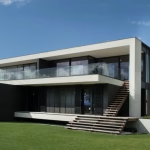
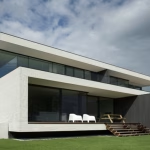
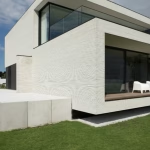
MBI GeoStylistix KSK 29,5x7x5,5 Crispy White – topkwaliteit, scherp geprijsd! Gevelstenen in een slank, langwerpig formaat voor een strak gevelbeeld. Bestratingsmarkt.com: bestel jouw GeoStylistix KSK 29,5x7x5,5 Crispy White! Lees meer

Variant:
Direct bestellen

Aantal stuk(s)

Je bestelt: 40 stuk(s)

Totaal

176,00

incl. BTW

Maak compleet

In heel Nederland & België

Vandaag besteld = uiterlijk dinsdag 1 december thuis geleverd

Of kies een moment dat jou beter uitkomt!

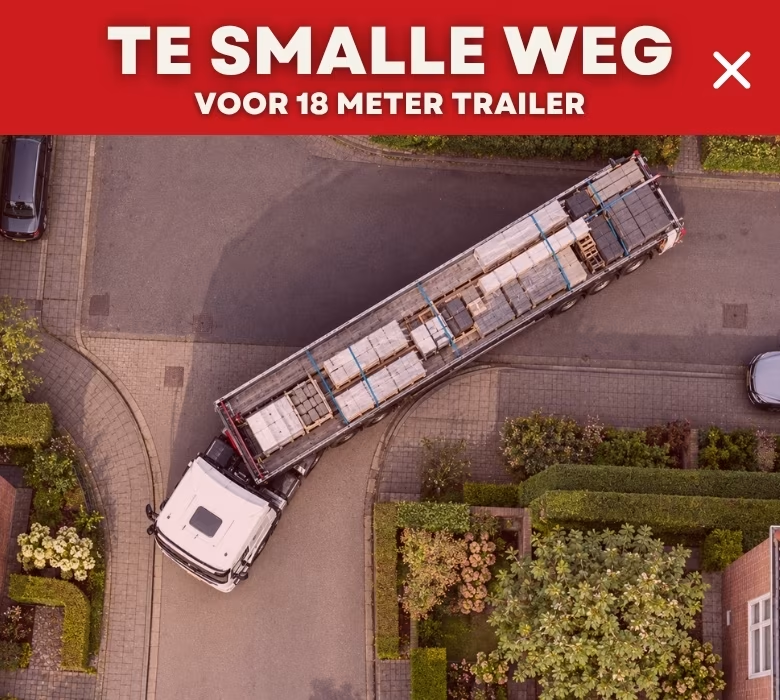
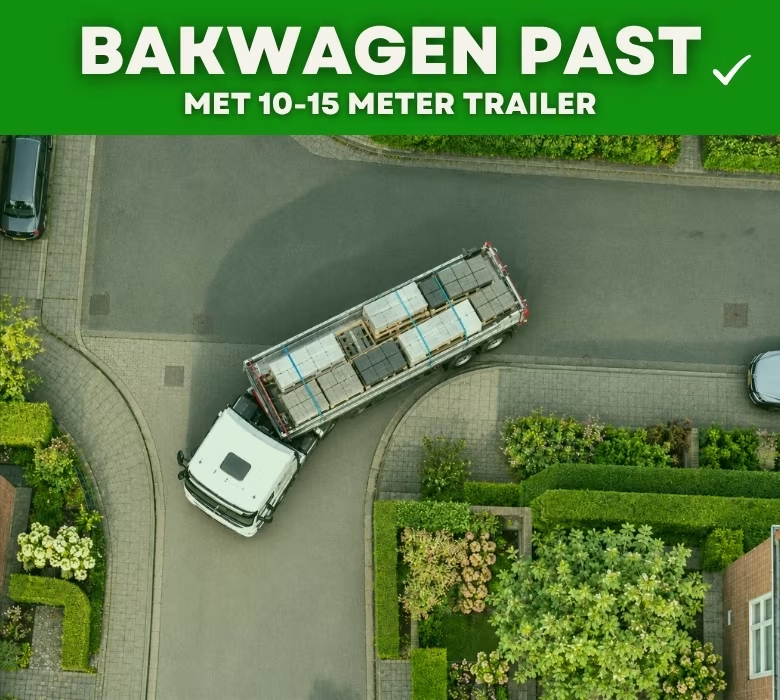
Heb je een smalle straat? Selecteer een bakwagen in het bestelproces. Meer informatie
81% goedkoper dan het gemiddelde

Klanten beoordelen ons met een 8,9/10

4 generaties vakmanschap sinds 1954

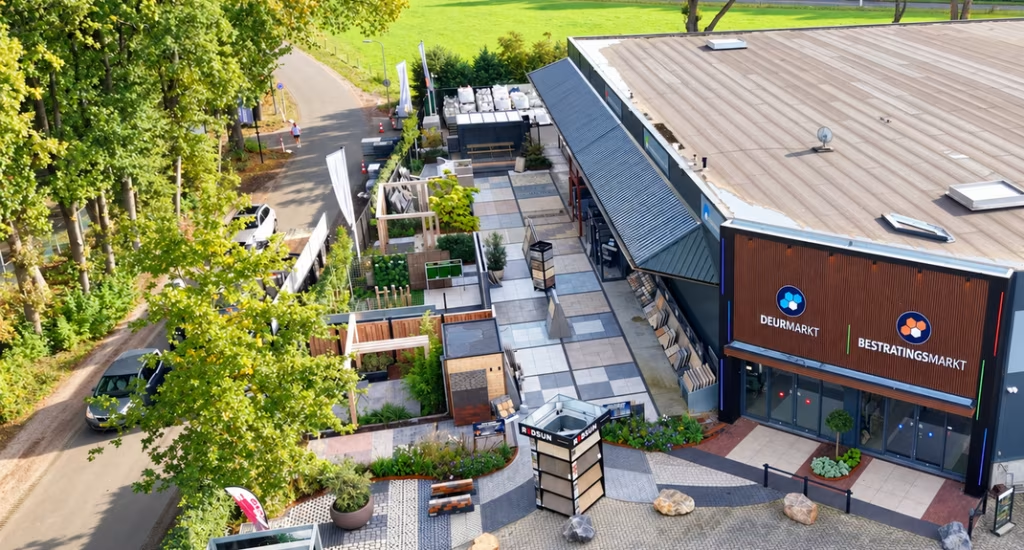
2500m² Experience Centre XXL in Heerde

Retourneren? Snel en eenvoudig bij ons

Voor elke klant: particulier, hovenier of aannemer

Productomschrijving

GeoStylistix KSK 29,5 x 7 x 5,5 Crispy White gevelstenen

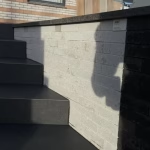
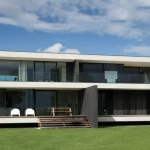
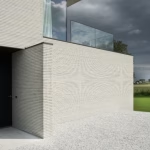
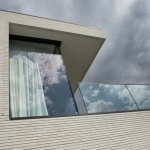
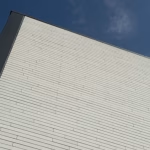
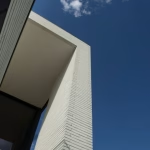
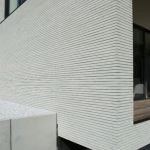
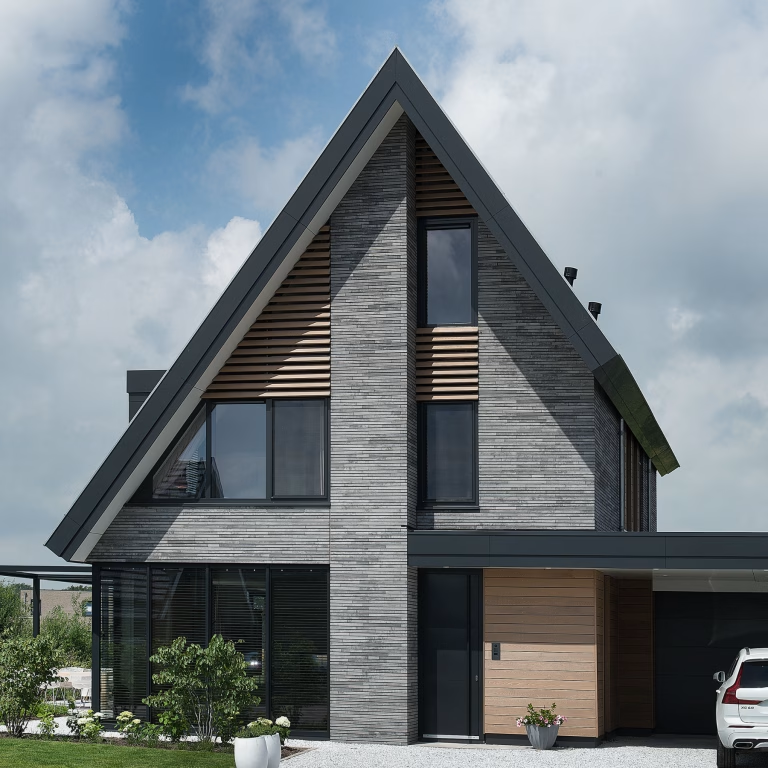
De GeoStylistix KSK 29,5 x 7 x 5,5 Crispy White gevelstenen van MBI zijn ideaal voor wie een strak en verzorgd gevelbeeld wil realiseren. Het slanke, langwerpige formaat zorgt voor duidelijke lijnen en een rustige opbouw van de gevel. Daardoor komen wanden en gevels mooi tot hun recht, zowel bij woningen als bij bijgebouwen of andere geveltoepassingen. Door de nauwkeurige maatvoering sluiten de stenen netjes op elkaar aan, wat zorgt voor een gelijkmatig en verzorgd eindresultaat. Deze KSK-variant is samengesteld voor een kop-strek-kop verband, waardoor korte en lange zijden elkaar afwisselen en een verzorgd en evenwichtig gevelbeeld ontstaat.

Verwerking en toepassing GeoStylistix KSK 29,5 x 7 x 5,5 Crispy White

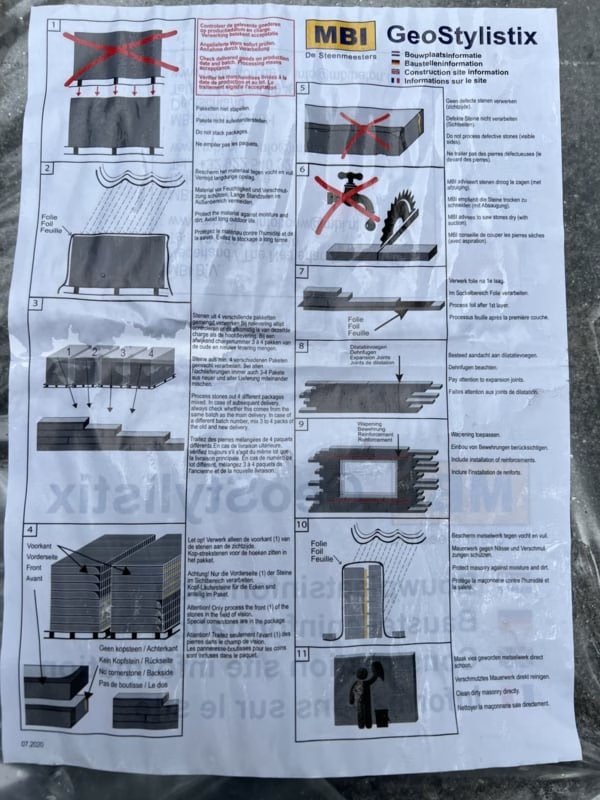
GeoStylistix KSK 29,5 x 7 x 5,5 Crispy White gevelstenen zijn prettig te verwerken. Daarbij zijn de stenen geschikt voor uiteenlopende gevels en wanden. Dankzij het slanke formaat laten de stenen zich nauwkeurig plaatsen, waardoor het gevelbeeld strak en overzichtelijk blijft. Een goede, vlakke ondergrond is belangrijk voor een duurzaam resultaat, zodat de stenen stevig blijven zitten en langdurig hun uitstraling behouden.

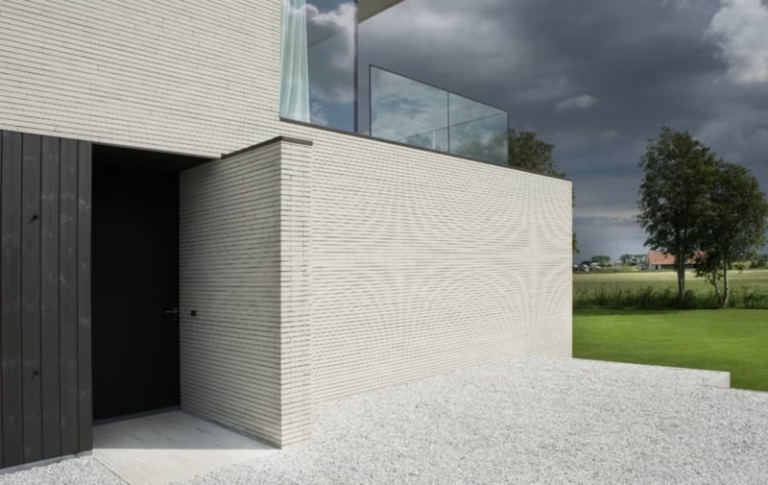
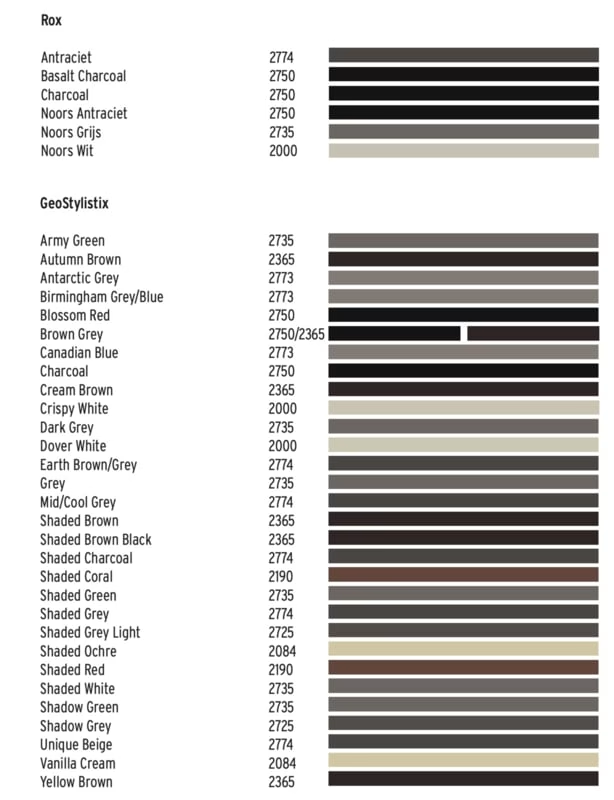
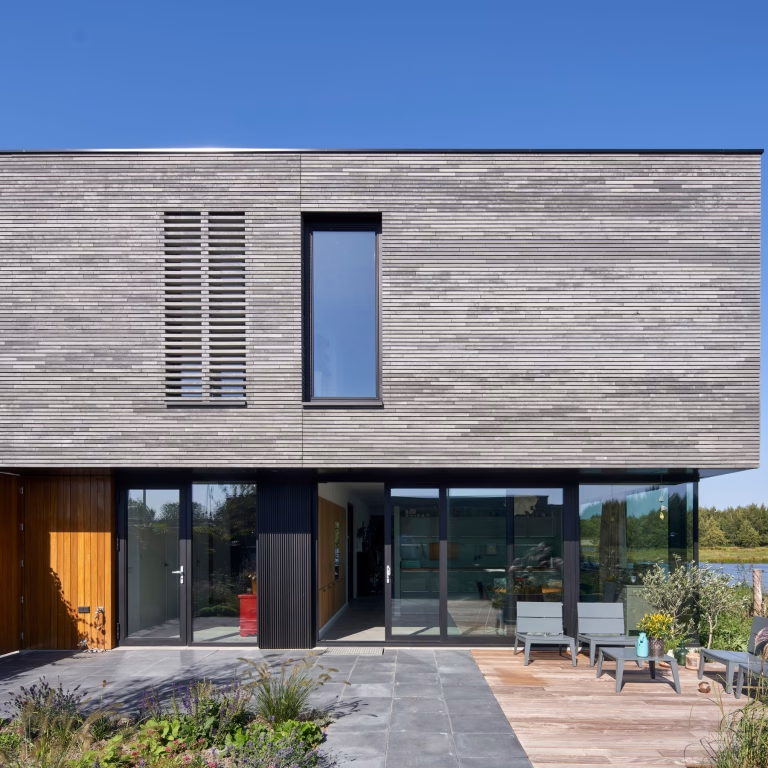
De langgerekte vorm maakt deze gevelstenen zeer geschikt voor horizontale verwerking, waarbij de gevel optisch meer lengte krijgt. In combinatie met een passende voegkleur kan het gevelbeeld extra worden benadrukt of juist rustiger worden gehouden. Zo kan je de gevel helemaal aan laten sluiten op jouw persoonlijke stijl.

De frisse uitstraling van Crispy White

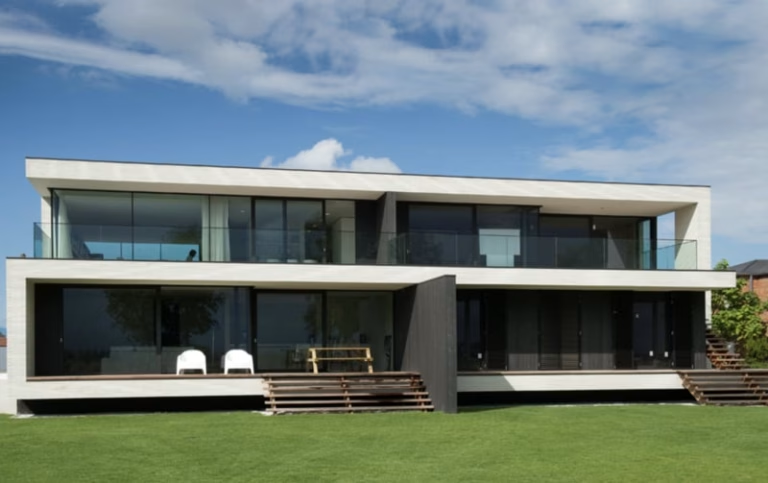
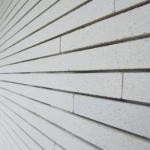
De kleur Crispy White geeft deze GeoStylistix gevelstenen een lichte en frisse uitstraling. De witgrijze tint oogt helder en modern, zonder kil te worden. Subtiele kleurnuances in de steen zorgen voor diepte in het gevelbeeld, waardoor het geheel levendig blijft. Crispy White laat zich uitstekend combineren met hout, staal en donkere kozijnen en vormt ook een sterke basis voor een strak en eigentijds gevelontwerp.

Bestratingsmarkt.com: de beste prijs, snelle levering

Bij Bestratingsmarkt.com ben je verzekerd van de beste prijs in Nederland. Dankzij onze ruime voorraad en snelle levering kun je ook nog eens snel aan de slag met jouw tuinproject. Bestel daarom vandaag nog. Ontdek de hoogwaardige kwaliteit van de GeoStylistix KSK 29,5 x 7 x 5,5 Crispy White bij Bestratingsmarkt.com.

Eigenschappen

Easy to clean

Specificaties

Merk

Dikte
5,5 cm
Serie
GeoStylistix
Materiaal
Beton
Afwerking rand
Strak
Formaat
29,5x7 cm
Geleverd op pallet
Nee
Kleurgroep
Lichte tinten
Ontdek op soort
Genuanceerd
Pakinhoud
400 stuks
Toepassingsgebied
Muurelement
Vorm
Langwerpig
EAN
8719488498675

Aanvullende informatie

Start je tuinproject met korting!

E-mail inleveren, korting pakken!
Laat je inspireren in ons 2.500 m² Experience Centre XXL

Bezoek ons Experience Centre XXL! - Heerde

Laat je inspireren in ons 2.500 m² Experience Centre XXL, binnen én buiten! Ontdek de nieuwste trends in sierbestrating, bekijk en voel verschillende materialen in het echt en vergelijk alle mogelijkheden voor jouw tuin. Onze specialisten staan voor je klaar met gratis en vrijblijvend advies, zodat je vol nieuwe ideeën en inspiratie naar huis gaat! Kom gezellig langs!

Bekijk Showpresentatie

Maak jouw bestelling compleet

Producten die matchen bij dit product en benodigdheden